The Central Industrial Security Force (CISF) is set to establish a state-of-the-art Data Fusion Centre in Delhi to integrate surveillance feeds and security data from airports across the country, marking a significant step in India’s aviation security modernisation efforts. The proposed facility will serve as a central monitoring hub, enabling real-time analysis of information gathered from CCTV networks, access control systems, security checkpoints and other surveillance infrastructure deployed at airports under CISF protection. The initiative is aimed at enhancing threat detection capabilities and improving response times to potential security incidents.
As part of the project, CISF plans to integrate facial recognition data from major airports, allowing security agencies to identify persons of interest more efficiently and strengthen monitoring of high-risk locations. Officials said the Data Fusion Centre will leverage advanced analytics and artificial intelligence tools to create a unified security picture across the country’s airport network. The move comes amid growing passenger traffic and increasing emphasis on technology-driven aviation security solutions.
In a parallel development, CISF recently assumed responsibility for security operations at Delhi’s Safdarjung Airport, bringing the strategically important facility under its aviation security framework as the force’s 73rd airport unit. The transition includes oversight of perimeter security, access control systems, surveillance infrastructure and other critical security functions. Safdarjung Airport, located in the heart of the national capital, serves as a key hub for VVIP helicopter movements and other non-scheduled aviation activities.
Security experts view the twin developments as part of a broader effort by the Ministry of Home Affairs and CISF to standardise and strengthen aviation security across India through greater use of technology and centralised monitoring. The proposed Data Fusion Centre is expected to complement on-ground security operations by providing enhanced situational awareness and enabling faster coordination among airports, security agencies and intelligence units, further reinforcing the country’s aviation security architecture.




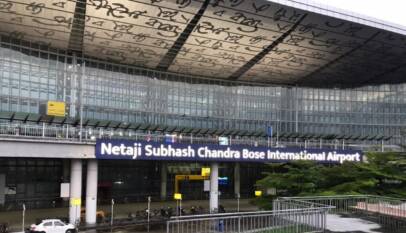

West Bengal Budget Proposes Second Kolkata Airport, Three New Airfields
The West Bengal government has unveiled plans for a second airport serving Kolkata and thr…

DGCA Pushes for In-Flight Wi-Fi, Airlines Cite High Retrofit Costs
The Directorate General of Civil Aviation (DGCA) has asked Indian airlines to offer in-flight …